After months of distraction, this smart scent trick finally boosted my focus and learning speed
Have you ever sat down to learn something new, only to get distracted within minutes? I struggled too—until I discovered how a simple change in my environment made all the difference. It wasn’t a fancy app or a strict schedule. It was my home’s scent. By using smart fragrance control, I turned my living space into a focus-friendly zone. This small shift didn’t just clear my mind—it helped me learn faster, stay on track, and feel more in control of my time.
The Hidden Problem: Why Focus Feels Harder at Home
You sit down with the best intentions. Maybe it’s an online course, a new language, or finally learning how to use that software for your side business. You’ve got your laptop open, a notebook ready, and a cup of tea steaming beside you. But within ten minutes, you’re scrolling through recipes, checking the weather, or wondering why the cat is suddenly so interested in your keyboard. Sound familiar? I used to think I just lacked discipline. I blamed my phone, my to-do list, or the fact that I’m ‘just not a morning person.’ But after months of trying different productivity hacks—timers, blockers, even color-coded planners—I realized the real issue wasn’t me. It was my environment.
Our homes are designed for comfort, not concentration. They’re full of sensory cues that pull us away from focused work. The couch calls for a nap. The kitchen tempts with snacks. Even the lighting can make us feel sluggish. But there’s another factor we rarely talk about: the air we breathe. Yes, air quality matters, but so does the subtle presence of scent. I didn’t think much about it until I visited a friend’s home office and immediately felt more alert. It wasn’t the desk setup or the noise-canceling headphones. It was the faint, crisp aroma of citrus in the air. That’s when it hit me—my home didn’t have a ‘focus scent.’ And without one, my brain didn’t know it was time to work.
This isn’t about turning your living room into a lab or a spa. It’s about recognizing that our senses shape our behavior in quiet, powerful ways. When we walk into a library, we instinctively lower our voices. When we enter a gym, we feel more energized. These aren’t accidents—they’re environmental signals. So why not design our learning spaces with the same intention? I started small. Instead of overhauling my routine or buying a standing desk, I asked myself: what if I could give my brain a gentle nudge every time I sat down to learn? What if the air itself could tell me it was time to focus?
How Scent Shapes Your Brain (Without You Noticing)
Let’s talk about the science—without the jargon. Of all our senses, smell is the most directly linked to the parts of the brain that control memory, emotion, and attention. When you catch a whiff of something, that signal goes straight to the limbic system, bypassing the logical filters that handle sight and sound. That’s why a single scent can instantly bring back a childhood memory or change your mood without you even realizing it. It’s not magic. It’s biology. And once I understood that, I started seeing scent not as just a nice-to-have, but as a tool—a quiet, invisible assistant that could help me stay on task.
I began experimenting with different fragrances during my study sessions. I tried lavender, which I’d heard was calming, but it made me too relaxed—great for bedtime, not so great for coding. Then I tried peppermint, which gave me a burst of energy but felt too sharp after a while. What worked best was rosemary and citrus. Studies have shown that rosemary contains compounds that may support mental clarity, and citrus scents like lemon or orange are naturally uplifting. I didn’t need a lab to prove it—my own experience was enough. On days I used these scents, I felt sharper. I stayed on one task longer. I didn’t jump to email as often. It was like my brain had a ‘do not disturb’ sign up, and the scent was the one who put it there.
Here’s the thing: I didn’t have to force myself to focus. The scent did part of the work for me. It created a mental association—like how the smell of coffee can wake you up even before the caffeine kicks in. After a few days, just the hint of citrus in the air made me feel ready to learn. I wasn’t fighting my brain anymore. I was working with it. And that made all the difference. This isn’t about tricking yourself or using some trendy wellness hack. It’s about using what we know about the brain to make our lives easier. We already use light, sound, and even temperature to shape our moods. Why not scent?
From Manual to Smart: Upgrading My Scent Routine
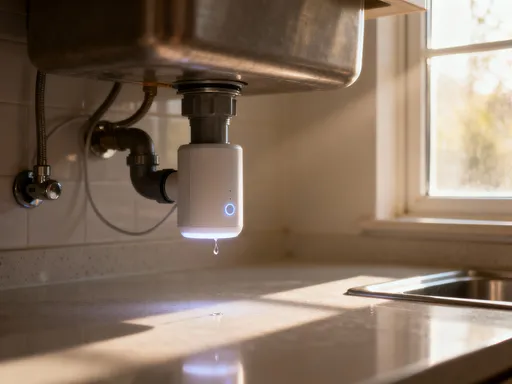
At first, I used regular essential oil diffusers and candles. But I kept forgetting to turn them on. Or I’d leave them running too long, and the scent would become overwhelming. Sometimes I’d light a candle just as I was about to take a break, defeating the whole purpose. I needed consistency—something that would work with my schedule, not against it. That’s when I discovered smart fragrance devices. These aren’t fancy gadgets with flashing lights. They’re simple, quiet diffusers that connect to your phone or smart home system. You can set them to turn on at specific times, adjust the intensity, or even link them to calendar events.
I started with one device in my study nook. I programmed it to release a light citrus blend 15 minutes before my daily learning block. That way, the scent was already in the air when I sat down. Over time, something interesting happened: my brain began to associate that particular aroma with focus. It became a signal, like the sound of a school bell or the chime of a meditation app. I didn’t have to psych myself up. The environment did it for me. On days when I skipped the scent, I noticed I took longer to get into the zone. It was like showing up to a workout without warming up—possible, but harder.
The real power came from automation. I linked the diffuser to my calendar, so it turned on automatically every time I had a ‘learning session’ scheduled. I didn’t have to remember. I didn’t have to decide. The device handled it. This might sound small, but it removed one more mental load. We make thousands of decisions every day, and each one drains a little energy. By automating the scent, I preserved that energy for the actual work. It’s like having a personal assistant who knows exactly when you need a mental boost—and delivers it silently, without saying a word.
Linking Scent to Skill Learning: A Personal Experiment
I put this to the test during a six-week online coding course. I’d been putting it off for months, telling myself I didn’t have enough time or the right mindset. But this time, I committed—with one twist. Every day, at 10 a.m., the same clean, citrus-based scent filled the room. I didn’t change my study method. I used the same platform, the same notebook, the same breaks. The only new element was the scent. And yet, the experience felt completely different.
I found myself looking forward to the sessions. Not because coding suddenly became easy, but because the ritual made it feel manageable. The scent acted like a mental warm-up, just like stretching before a run. It signaled to my brain: it’s time to focus, it’s time to learn. On days I worked in a different room—say, the kitchen, where the diffuser wasn’t set up—I noticed a clear difference. I felt slower to start. I got distracted more easily. I even felt a little frustrated, as if something was missing. It wasn’t the chair or the lighting. It was the absence of that familiar scent.
By the end of the course, I’d completed every assignment and built a small project I was proud of. Was it the scent that taught me to code? Of course not. But it created the conditions for learning. It reduced the friction. It made me more consistent. And consistency, not genius, is what really drives skill acquisition. I didn’t need more motivation. I needed a better environment—one that supported my goals instead of working against them. The scent didn’t replace effort. It made effort feel lighter.
Building a Smarter Daily Rhythm with Invisible Cues
Once I saw how well scent worked for focus, I started thinking about the rest of my day. What if I could use fragrance to support other routines, too? I began experimenting with different scents for different times. In the morning, a light burst of peppermint helped me wake up more fully—no second cup of coffee needed. In the afternoon, when energy tends to dip, a blend of rosemary and lemon kept me alert without the jittery feeling of caffeine. And in the evening, a soft hint of lavender and chamomile helped me transition from ‘doing’ mode to ‘resting’ mode.
These small changes added up. I wasn’t just using scent for learning—I was using it to shape my entire day. Each aroma became a gentle cue, a quiet signal that told me what to do next. I didn’t have to check the clock or remind myself to wind down. The environment did it for me. This is what I mean by a responsive home—one that adapts to your needs and supports your well-being without requiring constant effort. We can’t always control our schedules or our stress levels, but we can design our spaces to help us respond better.
One of the biggest benefits was reduced decision fatigue. How many times have you stood in front of the fridge, not because you’re hungry, but because you don’t know what to do next? That mental fog often comes from too many small decisions piling up. But when your environment gives you clear, sensory cues, you don’t have to think as much. The scent tells you it’s time to focus. The dimmed lights tell you it’s time to relax. The routine becomes automatic. And when routines are easier, we’re more likely to stick with them. That’s how small changes lead to big results.
Making It Work for Real Life: Simple Setup, Real Results
Now, you might be thinking: this sounds great, but isn’t it complicated? Do I need to buy a bunch of smart devices or become a tech expert? The answer is no. I started with one affordable smart diffuser—less than the cost of a weekend coffee habit. I placed it in my learning space and connected it to my phone using a simple app. Then, I linked it to my calendar. That’s it. No wiring, no complicated setup. Within minutes, I had a system that ran on its own.
Choosing the right scent was easier than I expected. I started with pre-made blends labeled for focus or energy—no guesswork needed. If you’re unsure, many brands offer sample kits so you can test a few before committing. The key is consistency. Use the same scent for the same activity, so your brain can form a strong association. And don’t worry about perfection. If you forget to turn it on one day, it’s okay. This isn’t about rigid rules. It’s about creating gentle support.
I’ll be honest: I used to roll my eyes at anything labeled ‘wellness’ or ‘self-care.’ I thought it was all fluff. But this isn’t about luxury. It’s about practicality. It’s about using simple, science-backed tools to make real life easier. You don’t need to meditate for an hour or overhaul your diet. You just need one small change that works with your brain, not against it. And once you find it, everything else becomes a little smoother.
Why Small Changes Create Big Gains in Self-Growth
Looking back, I realize I spent years trying to force myself to change. I downloaded every productivity app, read every book on time management, and set endless goals. But the real breakthrough didn’t come from pushing harder. It came from designing a better environment. When your space supports your goals, growth doesn’t feel like a struggle. It feels natural. It feels effortless. That’s the power of smart scent control—not because it’s flashy or high-tech, but because it works quietly, consistently, and humanely.
This journey taught me something deeper: self-improvement isn’t about willpower. It’s about wisdom. It’s about understanding how your brain works and using that knowledge to your advantage. You don’t have to be perfect. You don’t have to do more. You just have to set up your world in a way that makes the right choices easier. When your home gently guides you toward focus, learning, and calm, you don’t need to fight yourself every day. You can finally move forward with less resistance.
So if you’ve been struggling to stay focused, to learn something new, or to just feel more in control of your time, I want you to consider this: maybe the problem isn’t you. Maybe it’s the air you’re breathing. A simple, smart scent system might be the quiet ally you’ve been missing. It won’t do the work for you—but it will make the work feel lighter. And sometimes, that’s all we need to begin.