I Used to Forget Everything—This App Finally Helped Me Remember What Matters
We’ve all been there—staring at a blank page, trying to recall a special moment that’s already slipped away. You meant to write it down, but life got in the way. I felt the same, until I found a simple tool that changed how I connect with myself. It’s not just about notes—it’s about presence, clarity, and finally remembering the little things that make life meaningful. I used to forget birthdays, misplace important thoughts, and miss the quiet magic of ordinary days. But now, with just a few taps, I’ve built something I never thought possible: a life I can truly remember.
The Moment I Realized I Was Losing My Own Story
It hit me on a Tuesday morning, of all days. My youngest said something so sweet—something about how clouds look like floating sheep—and I thought, I have to remember this. I reached for my phone, opened the notes app, and started typing. But by the time I finished my coffee, I’d forgotten half of what she actually said. Not because I didn’t care. Because I was busy. Because I assumed I’d remember. And that wasn’t the first time.
I used to believe memory was something I could trust. That the big moments—first steps, school recitals, family trips—would stay with me forever. But what about the small ones? The way sunlight fell across the kitchen floor at 7 a.m. The sound of my husband humming while he made pancakes. The sudden burst of laughter between my daughters during a power outage. Those weren’t just background noise. They were the heartbeat of my life. And I was losing them, one forgotten detail at a time.
There was a moment last winter when I sat down to write a birthday card to my sister. I wanted to include a special memory from our childhood—something warm and real. But I couldn’t pull it up. Not one clear image. I remembered the house we grew up in, but not the way it smelled after rain, or how we used to dance in the living room with the lights off. That’s when it sank in: I wasn’t just forgetting moments. I was losing parts of myself. And the worst part? I didn’t even notice until they were gone.
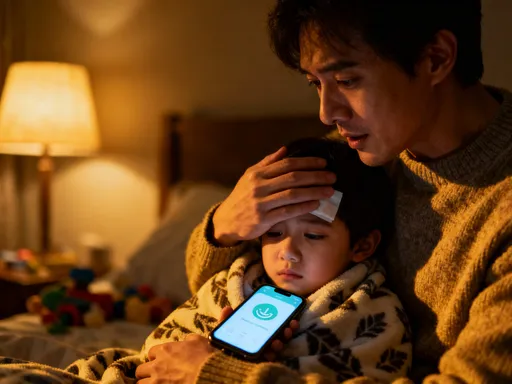
I tried to fix it the old-fashioned way—journaling with pen and paper. I bought a beautiful notebook with a soft leather cover. I told myself I’d write every night before bed. For three days, I did. Then life happened. A sick child. A work call. A forgotten appointment. The journal sat on my nightstand, half-used, until I moved it to the drawer. It wasn’t laziness. It was life. And I realized I needed something that fit into my rhythm, not one that demanded I change it.
Why Pen and Paper Just Didn’t Stick for Me Anymore
Let’s be honest—there’s something deeply comforting about a real journal. The smell of the paper. The sound of the pen scratching across the page. The way a handwritten note feels personal, almost sacred. I’ve kept journals since I was a teenager. Some were filled with poetry, others with dreams, and a few with secrets I’ll never tell. But over time, something shifted. The very things that made them special also made them fragile.
I lost one in the car. Another got soaked during a beach trip. One ended up in a storage box and disappeared when we moved. And even when I did keep them safe, I’d open them months later and struggle to read my own writing. My handwriting, once neat, had become rushed and messy—like my life. I’d see a sentence that said “Today, Maya said she wants to be a vet,” but I couldn’t remember the tone of her voice or the way her eyes lit up. The words were there, but the feeling was missing.
And then there was the guilt. I’d start a new journal with big intentions—this one will be different, I’d tell myself. I’ll write every day. I’ll capture everything. But by week two, the entries would shrink. By week three, they’d stop. I’d flip through the empty pages and feel like I’d failed. But was it really failure? Or was it just that the method didn’t match my reality? I wasn’t writing less because I cared less. I was writing less because the process felt like one more thing on my to-do list.
What I needed wasn’t another chore. I needed a way to remember without effort. A way to capture moments in real time, without having to sit down for twenty minutes with a pen. I needed something that could keep up with my life, not slow it down. That’s when I started looking for a different kind of journal—one that lived on my phone, moved with me, and asked for just a few seconds of my time.
How Digital Journal Apps Quietly Changed My Days
I’ll admit it—I was skeptical at first. Digital journaling sounded cold. Impersonal. Like trading soul for convenience. But then I found an app that changed my mind. It wasn’t flashy. No complicated menus or confusing features. Just a clean screen, a few simple buttons, and the option to type, speak, or add photos. I started with a two-sentence entry: “Maya danced in her pajamas this morning. The dog joined in.” That was it. And somehow, that tiny act felt like a victory.
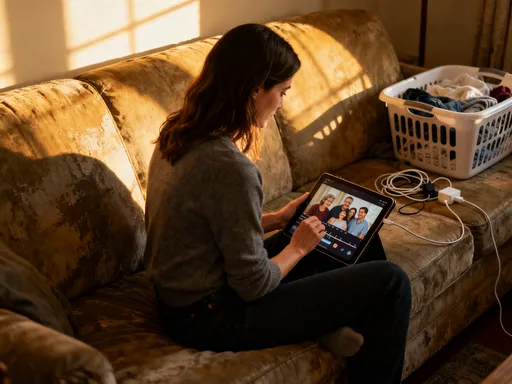
What surprised me most was how easy it was to keep going. No more worrying about losing the notebook. No more blank pages judging me. Everything saved automatically. Everything backed up to the cloud. I could write in the car while waiting for school pickup. I could dictate a note while folding laundry. I could snap a photo of my daughter’s drawing and add a caption: “She says this is our family. We all have big smiles, even the cat.”
The app didn’t demand perfection. It didn’t care if my entry was one sentence or ten. It didn’t shame me for skipping a day. And slowly, I began to see it not as a replacement for pen and paper, but as something new—a digital companion that met me where I was. I started using voice-to-text when my hands were full. I used photo entries to capture moments I couldn’t describe. I even used location tagging to remember where things happened—like the park bench where my daughter told me she was nervous about her first sleepover.
But the real game-changer? The prompts. Every morning, the app asked a simple question: “What are you grateful for today?” At first, I rolled my eyes. But then I answered. “The smell of fresh coffee. The quiet before the kids wake up.” And just like that, my mindset shifted. I wasn’t just recording life. I was noticing it. The app wasn’t about technology. It was about attention. And for the first time in years, I felt like I was paying attention again.
The Morning Routine That Transformed My Mindset
My mornings used to be chaos. Wake up, check emails, make lunches, find missing socks, argue about breakfast choices. By the time I dropped the kids at school, I felt drained. I was reacting to everything, not choosing anything. Then I started a new habit—before I did anything else, I opened the journal app and wrote for two minutes.
That’s all it took. Two minutes. Sometimes I wrote about what I wanted to accomplish that day. Other times, I just listed three things I was grateful for. One morning, I wrote, “I’m proud of how I handled the argument with my mom yesterday.” Another day: “I need to call my sister. She’s been quiet.” These weren’t grand reflections. They were small, honest moments of self-check-in.
But here’s what happened: those two minutes started to change the rest of my day. Instead of rushing into crisis mode, I began with clarity. I wasn’t just surviving the morning. I was showing up for it. I noticed my breath. I sipped my coffee slower. I smiled at my reflection. It wasn’t magic. It was practice. And the app made it easy to stick with it—no pressure, no performance, just presence.
I also started using the voice feature on days when my hands were too busy. I’d say, “Today, I want to be patient. The kids are stressed about tests, and I don’t want to add to it.” Hearing my own voice say that made it real. It wasn’t just a thought. It was a commitment. And when I slipped up later that day, I could go back and read what I’d said that morning. It reminded me of who I wanted to be, not just who I was in the moment.
This habit didn’t make me perfect. But it made me kinder—to myself and to others. And over time, I realized I wasn’t just journaling to remember. I was journaling to grow. To become someone who pauses, who reflects, who chooses peace over panic. That two-minute ritual became my anchor. And it all started with a simple tap on my phone.
Capturing Emotions Before They Fade
Emotions are slippery. They rise fast, hit hard, and often vanish before we understand them. I used to let mine pass without reflection. I’d feel angry after a phone call with my in-laws, then brush it off. I’d feel overwhelmed at bedtime, then tell myself I was just tired. But emotions aren’t just noise. They’re signals. And when I started using the app to capture them in real time, everything changed.
One evening, after a tense conversation with my husband, I felt a knot in my chest. Instead of going to bed mad, I opened the app and typed: “I’m not angry about the dishes. I’m hurt that he didn’t ask how my day was.” Just writing that sentence brought instant relief. It wasn’t about blaming him. It was about understanding me. The next morning, I shared the entry with him. Not to prove a point, but to explain. And our conversation was different—calmer, deeper, more honest.
I started doing this after every big emotion. Joy? I’d write, “Saw a rainbow today. The kids screamed with delight. I felt like anything was possible.” Grief? “Miss Mom today. Made her favorite soup. Felt close to her.” Anxiety? “Worried about money. But I checked the budget. We’re okay. Just need to breathe.” These entries weren’t essays. They were emotional snapshots. And when I looked back weeks or months later, I could see patterns. I noticed I felt most anxious on Sunday nights. I saw that my joy often came from small, unplanned moments.
The app became my emotional compass. It didn’t fix everything. But it helped me process. It gave me space to feel without reacting. And over time, I became more aware of my triggers, my needs, my strengths. I wasn’t just recording feelings. I was learning from them. And that made me a better mother, a better partner, a better version of myself.
Building a Personal Archive of Who I’m Becoming
One rainy afternoon, I was cleaning out old files on my laptop when I remembered my journal app. I hadn’t looked back in months. I opened it, scrolled through entries, and was stunned. There it was—my life, not as a blur, but as a story. I saw how I’d grown. How my worries had shifted. How my joys had deepened. I found an entry from last spring: “Thinking about starting a blog about simple living.” I’d forgotten I’d even considered it. But now, reading it, I felt a spark. A few weeks later, I launched the blog. It’s small, but it’s mine.
That’s the power of a digital archive. It’s not just about remembering the past. It’s about discovering it. I’ve found forgotten ideas, rediscovered old dreams, and seen my resilience in black and white. When I’m feeling stuck, I read entries from six months ago. I see how far I’ve come. I’m reminded that growth isn’t always loud. Sometimes, it’s quiet. Steady. Invisible until you look back.
I also use the search function constantly. Looking for that recipe my friend shared? Type her name. Want to remember what we did on our last family vacation? Search “trip.” Need to recall what I felt during a tough week? Search “stress.” It’s like having a personal assistant who knows my life better than I do. And unlike a physical journal, I can find anything in seconds.
But more than convenience, this archive gives me peace. I don’t fear forgetting anymore. I know my story is safe. And when my daughters grow up and ask, “What was I like as a kid?” I can show them. Not just photos, but words. Their voices, their quirks, their magic—preserved not in memory, but in moments I chose to capture. This isn’t just a journal. It’s a legacy. A record of love, learning, and becoming.
Why This Isn’t Just a Tool—It’s a Relationship with Myself
I used to think journaling was about productivity. Write more, do more, be more. But this app taught me it’s not about output. It’s about connection. Every time I open it, I’m choosing to listen to myself. To honor my thoughts. To make space for what matters. In a world that’s always demanding more—more time, more energy, more attention—this habit is my quiet rebellion.
It’s not about being perfect. It’s about being present. It’s not about writing every day. It’s about showing up when I can. It’s not about creating a masterpiece. It’s about creating a mirror—one that reflects who I am, who I was, and who I’m becoming.
When I think about all the things I used to forget, I don’t feel sad anymore. I feel grateful—for the tool that helped me remember, and for the self I’m finally getting to know. This app didn’t just change how I journal. It changed how I live. I’m more aware. More intentional. More at peace.
So if you’ve ever felt like you’re losing your story, I want to tell you this: it’s not too late. You don’t need a perfect notebook or hours of free time. You just need your phone, a few seconds, and the willingness to begin. Start with one sentence. One feeling. One moment you don’t want to forget. Because your life is happening now. And it’s worth remembering.