What If Your Period App Could Help Your Whole Weekend Go Smoothly?
You know that feeling when your weekend plans start unraveling before they even begin? Between tracking moods, energy dips, and schedule chaos, it’s easy to feel off balance. But what if a simple app could help you—and the people around you—sync up and actually enjoy the weekend together? I’ve been using period tracking apps for years, and recently, something shifted. It’s not just about predicting my cycle anymore—it’s about making life flow better for everyone. It’s like realizing a tool I thought was only for me quietly held the key to helping my whole household breathe easier, plan smarter, and connect more deeply.
The Weekend That Fell Apart (And Why I Needed a Change)
It started with the best intentions. A sunny Saturday morning, pancakes on the stove, my partner humming as he set the table, our daughter coloring at the kitchen counter. We had big plans—hiking, a picnic, maybe even a quick stop at the farmers market. But by 10 a.m., I was already overwhelmed. The noise from the blender felt like a drill in my skull. My daughter’s excited chatter grated on my nerves. I snapped when my partner asked me to pack the cooler—again. I didn’t mean to. But suddenly, I was in tears, retreating to the bedroom, the door clicking shut behind me like a confession.
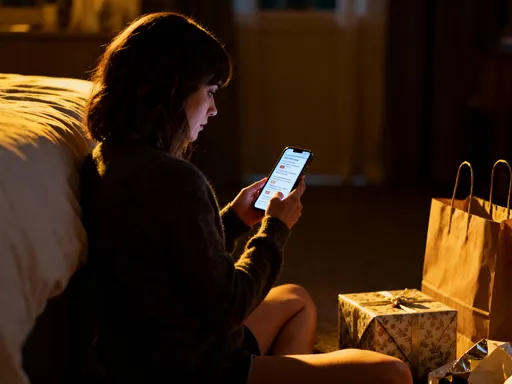
Later, as I lay there trying to catch my breath, I opened my period tracking app out of habit. That’s when I saw it: I was right at the edge of my luteal phase, entering what the app gently labeled “sensitive days.” My sleep had been poor for three nights. My energy trend was dipping sharply. My mood log from the morning showed a red flag: “irritable, withdrawn.” None of this had registered in real time. I hadn’t connected the dots. And no one else could have either. My family wasn’t being inconsiderate—they just didn’t know. And I hadn’t given them a way to know. That weekend didn’t have to fall apart. It just needed a little more awareness. A little more planning. A little more grace.
That moment changed how I saw my app. It wasn’t just a personal health diary anymore. It was a bridge. A quiet, digital way to say, “Hey, I might need a little extra space this weekend,” without having to explain everything in the moment. Without the guilt. Without the frustration. Just a heads-up. And that small shift—from secrecy to gentle sharing—ended up transforming not just my weekends, but how we all moved through life together.
From Private Tracker to Shared Support System
For years, I thought of my period tracker as strictly private. It was my space—my symptoms, my moods, my body’s rhythms. I didn’t want to burden anyone with the details. But over time, I started to wonder: what if sharing a little could actually reduce the burden? Not by oversharing—no one needs to know the exact cramp level at 3 p.m.—but by giving my family a gentle heads-up when I’m likely to be more tired, more sensitive, or just need a quieter day.
The turning point came when I discovered the shared calendar feature in my app. It doesn’t broadcast everything. Instead, it lets me send soft alerts—like “low energy day” or “might need an early night”—that show up on my partner’s phone as simple icons. No drama. No long explanations. Just a quiet signal that helps him adjust. He started planning grocery runs for those days instead of pushing for a movie night. He’d make tea without being asked. And our daughter, who’s eight, learned that when Mommy has the moon icon on the fridge calendar, it means we do puzzles, not park races.
What surprised me most was how much this helped everyone else too. My partner began using his own wellness app to share when he was stressed from work. We started leaving little notes in the shared app: “Feeling great today—want to try that new trail?” or “Need quiet time after dinner.” It became less about tracking cycles and more about building a rhythm together. We weren’t just living under the same roof—we were learning to live in sync. And the best part? No one felt exposed. We kept boundaries, but we also built trust. It wasn’t about fixing anyone. It was about understanding each other a little better, one gentle alert at a time.
Syncing Cycles with Communication: A Real-Life Experiment
I’ll admit, I was nervous the first time I invited my best friend, Sarah, to try a shared planning experiment. We’ve been close for over a decade, but even best friends don’t always know when the other is running on empty. We both use period tracking apps, but we’d never linked them. “What if we just shared our energy forecasts for one weekend?” I suggested. “No pressure. Just see how it feels.”
That Friday, I checked the app. Mine showed “low energy, high sensitivity.” Hers was “moderate energy, stable mood.” Instead of our usual text thread full of indecision—“Wanna go out?” “I don’t know, you pick”—she sent a simple message: “Looks like you’re in the quiet zone. How about a cozy brunch at that café with the garden? No crowds, good coffee, zero pressure.” I nearly cried. It wasn’t just the suggestion—it was the thought behind it. She’d seen the data and responded with care.
We met Saturday morning, and it was exactly what I needed. Soft music, warm light, a slow conversation about nothing and everything. No rushing. No noise. And when I mentioned how much I appreciated her checking in, she smiled and said, “It’s like having a weather report for your week. If it’s stormy, you don’t plan a picnic. You grab an umbrella and stay in.”
We’ve kept it up since then. We don’t share every detail. But knowing each other’s energy trends has made our time together more intentional. We’ve canceled plans without guilt. We’ve swapped weekends based on who’s feeling up for it. And honestly? Our friendship feels stronger. We’re not just showing up—we’re showing up with awareness. And that small act of consideration—checking the forecast before making a plan—has deepened our connection in ways I never expected.
How Small Data Leads to Big Understanding
At first, I thought tracking mood, sleep, and energy was just about self-awareness. But over time, I realized these tiny data points don’t just affect me—they ripple out. When I’m tired, I’m less patient. When I’m irritable, I’m less present. And when I don’t communicate that, the people I love end up walking on eggshells, not knowing what set it off.
But when you start seeing patterns—like how poor sleep the night before often leads to low energy by midday, or how high stress at work can make PMS symptoms worse—it becomes easier to plan with compassion. I’m not just managing my body. I’m protecting my relationships. And when I share those insights gently, it gives others permission to do the same.
My partner started tracking his own energy and stress levels. He noticed he’s more irritable after long meetings. So now, he sends a quick “recharge needed” alert after work on tough days. I know not to ask for help with dinner. Our daughter even got in on it—she uses stickers on a family chart to show how she’s feeling. Green for “great,” yellow for “meh,” red for “need a hug.”
What’s powerful is how this creates a culture of understanding. We’re not blaming anyone for being tired or moody. We’re just acknowledging it. And when we know what’s coming, we can meet it with kindness instead of frustration. That shift—from reaction to anticipation—has changed the emotional temperature of our home. It’s quieter. Softer. More connected. And it all started with a few taps on a phone.
Making It Work: Practical Tips for Collaborative Weekend Planning
So how do you actually make this work in real life? It’s not about turning your family into data analysts. It’s about using the tools in a way that feels natural, light, and helpful—not clinical or demanding. Here’s what’s worked for us.
First, start small. Pick one feature to try—like shared mood forecasts or calendar syncing. Most apps let you choose exactly what to share. I began by only sending “low energy” and “feeling great” tags. That way, it felt safe. No pressure. Then, use playful language. Instead of a formal alert, try something like, “Heads up—my battery is at 20%. Let’s save the big hike for next week!” Humor helps it feel friendly, not heavy.
Next, pair it with action. When I share a low-energy forecast, I also suggest an alternative: “Maybe a movie night at home instead?” That way, it’s not just about saying no—it’s about offering a yes to something else. And encourage reciprocity. Ask your partner or friend to share their energy levels too. It’s not a one-way street. This isn’t about you being the only one who needs care—it’s about both of you creating space for each other.
Finally, keep it visual. We use a shared family calendar on the fridge that pulls in gentle reminders from our apps. A sun icon means “great day for outings.” A cloud means “let’s keep it calm.” Our daughter loves checking it each morning. It’s become part of our routine—like brushing teeth or packing lunches. And the best part? No one feels singled out. We’re all human. We all have ups and downs. And now, we plan for them together.
Beyond Romance: Apps That Help Friends and Roommates Connect
When I first thought about sharing cycle data, I assumed it was for couples. But then I started talking to other women—friends, roommates, sisters—and realized this kind of awareness matters in all kinds of relationships. Sarah and I aren’t a couple, but we still want to show up for each other. And in our house, where three women share a kitchen and a living room, knowing who’s in a quiet phase can prevent a lot of accidental tension.
One of my friends lives with two other women in their thirties. They started using a group chat linked to their apps, but only sharing anonymized trends—like “someone in the house is entering a low-energy week” or “mood sensitivity is high for one of us.” It sounds simple, but it changed everything. They started leaving kind notes on the fridge: “I made extra soup—help yourself if you need comfort food.” Or “I’ll handle the noisy vacuuming tomorrow.” No names. No details. Just care.
Another friend uses her app to plan girls’ weekends. She checks her group’s shared forecasts before booking trips. If two of them are in sensitive phases, they pick a relaxing retreat instead of a packed itinerary. It’s not about canceling fun—it’s about choosing the right kind of fun. And honestly, those quiet weekends have become the most meaningful. More talking. More laughing. More real connection.
What I love is how this builds a culture of mutual care. It’s not about fixing anyone. It’s about saying, “I see you. I know you’re human. And I’ve got your back.” Whether it’s your partner, your best friend, or your roommate, these small acts of awareness create a softer, kinder way to live together. And that’s something we could all use a little more of.
When Technology Meets Emotional Intelligence—And Wins
When I first downloaded a period tracking app, I never imagined it would become one of the most meaningful tools in my emotional toolkit. I thought it was just about predicting my period. But over time, it’s taught me something deeper: that taking care of myself isn’t selfish—it’s the foundation of taking care of others.
These apps don’t replace conversation. They don’t fix relationships. But they do create space for both. They give us a quiet, respectful way to say, “I’m not at my best right now,” without words. They help us plan with compassion. And they invite the people we love to respond with kindness instead of confusion.
What’s beautiful is how something so small—a notification, a shared calendar, a simple icon—can lead to such big shifts. Less friction. More understanding. More moments of true connection. We’re not trying to eliminate the hard days. We’re just learning to meet them with more grace.
And in a world that often feels rushed and overwhelming, that’s a quiet kind of revolution. It’s not about doing more. It’s about being more present. More patient. More human. These tools don’t make us perfect. But they help us show up as our real, imperfect selves—and still feel seen, supported, and loved. And when that happens, weekends don’t just go smoothly. They become something richer. Something warmer. Something that feels, finally, like home.