What If Your Home Could Watch Over Your Family Without You Lifting a Finger?
Imagine leaving the house and still feeling connected—knowing your aging parent is safe, your child got home from school, or the dog hasn’t knocked over the vase again. It’s not magic. It’s motion detection working quietly in the background, turning your home into a thoughtful guardian. No alarms, no confusion—just peace of mind that fits naturally into daily life, like a trusted friend keeping an eye on things for you. You don’t need to be tech-savvy or live in a futuristic smart home. This isn’t about flashing screens or complicated setups. It’s about small, smart changes that make your days smoother, your nights calmer, and your heart a little lighter. Because sometimes, the most powerful technology isn’t the one that dazzles—it’s the one that simply helps you care.
The Moment Everything Changed: When a Simple Motion Alert Saved a Morning
It started like any other Tuesday. Sarah had dropped her mother off at her cozy bungalow after breakfast, kissed her on the cheek, and headed to her part-time job at the library. Her mom, Evelyn, was independent—still gardening, still baking her famous apple pie—but Sarah couldn’t shake the quiet worry that came with being the only child of a parent living alone. She didn’t want to hover, but she also didn’t want to get a call too late.
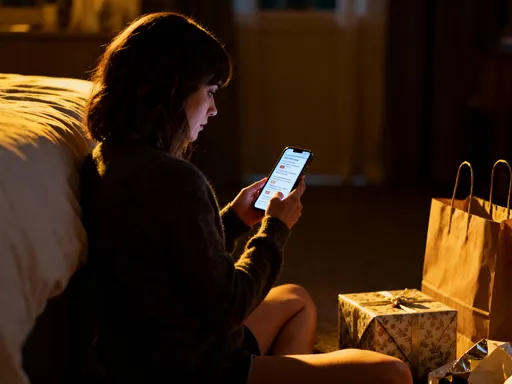
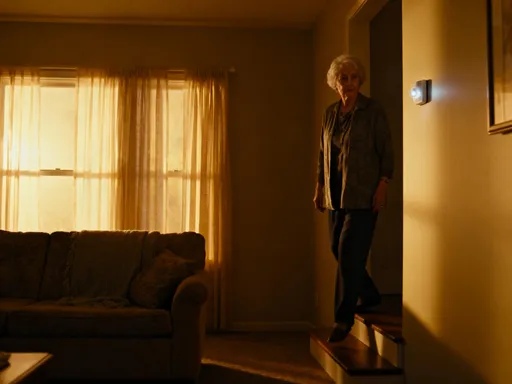
That morning, around 10:15, Sarah’s phone buzzed with a soft chime. Not a loud alarm—just a gentle notification from her home system: Motion detected in the living room. She glanced at it and smiled. Good, Mom’s up and moving. But then, nothing. No further activity. No kitchen movement, no bathroom light turning on. The system showed stillness for over two hours—unusual for Evelyn, who typically shuffled between the kitchen, her favorite armchair, and the back porch by mid-morning.
Sarah called. No answer. She tried again. Still nothing. That’s when her stomach dropped. She called a neighbor, who agreed to check in. And there it was—Evelyn had slipped in the hallway, not seriously injured but unable to get up or reach her phone. The neighbor helped her up, called the nurse, and within an hour, Evelyn was resting comfortably with a minor bruise and a cup of tea.
Later, Sarah sat at her kitchen table, tears in her eyes—not from fear, but from gratitude. That simple motion alert hadn’t just signaled movement. It had signaled life. And its silence had spoken even louder. She realized then that this technology wasn’t cold or clinical. It was warm, attentive, and deeply human. It didn’t replace her care—it extended it. She could be at work, across town, even on vacation, and still be present in a meaningful way. That day, motion detection stopped being a gadget on her shopping list and became a quiet partner in love and responsibility.
Beyond Security: How Motion Detection Brings Calm to Everyday Chaos
We often think of motion detection as something for break-ins or burglaries—something loud, reactive, and fear-based. But for most families, its real power lies in the small, unseen moments of daily life. It’s not about fear. It’s about care. It’s about knowing, without asking, that the people you love are okay.
Take Lisa, a mom of two in Ohio. Her 14-year-old son, Jake, has a habit of coming home from school, dropping his backpack, and disappearing into his room with headphones on. He’s not ignoring her—he’s just a teenager. But Lisa used to worry. Did he make it home safely? Is he eating something? Is he okay?
Now, a motion sensor near the front door sends her a quiet alert when he walks in. No need to text. No awkward “Did you get home?” that makes him roll his eyes. Just a little green checkmark on her phone that says, He’s here. He’s safe. That tiny moment of reassurance changes her whole afternoon. She can focus on dinner, on her part-time design work, on her own breath, knowing the most important thing is taken care of.
And it’s not just for kids. Think about pets. Maria in Texas has a rescue dog with separation anxiety. When she’s at work, she used to come home to chewed shoes and muddy paw prints. Now, a motion sensor in the living room shows her when the dog gets up after she leaves. She can watch the pattern—when he settles, when he paces, when he finally curls up on the couch. She even uses it to time when to play a calming audio track from her phone. It’s not surveillance. It’s understanding. It’s being able to care, even when you’re not in the same room.
These aren’t dramatic rescues or emergency calls. They’re the quiet victories of modern parenting, caregiving, and pet ownership. They’re the moments when technology doesn’t interrupt life—it supports it. And that’s where the real magic happens: not in the sensor, but in the peace it brings to your heart.
Making It Invisible: Technology That Fits, Not Dominates
One of the biggest fears people have about smart home tech is that it will take over. That their living room will look like a control center, with blinking lights, wires everywhere, and a voice randomly announcing the weather at 6:30 a.m. But the truth is, the best technology doesn’t shout. It whispers.
Modern motion sensors are designed to be nearly invisible. They tuck behind baseboards, hide inside smart light fixtures, or nestle under eaves in the garage. You don’t see them. You don’t hear them. But they’re always working. Think of them like a good assistant—one who knows when to step in and when to stay quiet. They don’t demand attention. They just make sure things run smoothly.
I installed one in my hallway last year. It’s inside a smart light switch, so it looks exactly like the old one—white, simple, unremarkable. But now, when I walk down the hall at night, the lights come on softly, just enough to see. No fumbling for switches. No waking up the whole house. And if no one moves for 20 minutes, the lights go off automatically. It’s such a small thing, but it’s the kind of small thing that adds up.
Placement matters, though. You don’t want a sensor pointing at a busy street or a swinging curtain—that’ll trigger false alerts. The key is to aim it where movement matters: near doorways, hallways, or common areas. For elderly parents, a sensor in the bedroom or kitchen can show if they’ve started their morning routine. For kids, one near the front door or staircase works best. And for pets? Maybe near their favorite napping spot or food bowl.
The goal isn’t to watch every step. It’s to know when something is off. And for that, you don’t need a system that dominates your home. You need one that blends into it—like a well-placed nightlight or a favorite throw blanket. It’s there when you need it, but never in the way.
Customizing Care: One Home, Many Needs
Every family is different. Every person has their own rhythm, their own needs, their own version of “safe.” That’s why the best motion detection systems aren’t one-size-fits-all. They’re flexible. They adapt. They let you tell the house what matters to you.
Take the Johnson family. Mom, Diane, uses motion alerts to know when her 8-year-old daughter, Lily, gets home from school. She gets a simple notification: Lily is home. No stress, no unanswered texts. But she’s also set up a second rule—no alerts after 8 p.m. in the hallway. Why? Because Lily sometimes gets up to use the bathroom at night, and Diane doesn’t want her phone buzzing every time. The system knows when to pay attention and when to relax.
Meanwhile, Diane’s husband, Mark, uses the same system to check on his dad, who lives in the guest house in the backyard. He’s set up a zone in the kitchen. If there’s no movement by 9 a.m., he gets a gentle reminder to call. It’s not because he expects the worst. It’s because sometimes, a simple “Hey Dad, you okay?” can make someone’s whole day.
This kind of customization is easier than you think. Most apps let you draw “zones” on a floor plan—like circling the kitchen or front door. Then you set times: “Watch this area between 3 p.m. and 6 p.m.” or “Only alert me if there’s no movement for 4 hours.” It’s like giving your home a little set of instructions: Here’s when I care. Here’s what I want to know.
For families with aging parents, this can be life-changing. A sudden change in routine—like not walking to the kitchen in the morning or skipping the evening TV spot—can be an early sign of illness, fatigue, or loneliness. Motion detection doesn’t diagnose. But it can help you notice. And noticing is the first step toward care.
The beauty is, you don’t have to choose between security and warmth. You can have both. You can protect your home and nurture your family—all with the same quiet, thoughtful system.
No Tech Degree Needed: Setting Up Peace of Mind in Under an Hour
If I told you five years ago that I’d be setting up motion sensors in my home, you’d have laughed. Me? The woman who still asks her son how to connect the printer? But here’s the truth: today’s smart home tech is designed for people like us. Not engineers. Not coders. Just moms, daughters, caregivers, and dog lovers who want a little more ease in their day.
I installed my first motion sensor last winter. I did it while waiting for my coffee to cool. No tools. No ladder. No confusing manuals. It was a plug-in sensor—just popped it into an outlet in the hallway. Then I opened the app, tapped “Add Device,” and followed the prompts. Within minutes, it was connected. I walked back and forth a few times to test it. The app showed green pulses with each movement. Done.
Some sensors are battery-powered, others plug in, and some replace existing light switches. The plug-in ones are perfect for renters or anyone who doesn’t want to mess with wiring. The switch-style ones are great if you want lights to turn on automatically. Either way, the setup is guided step by step. The app talks you through it—like a friend holding your hand.
And yes, I made a mistake. I placed one too close to the window, and the neighbor’s cat kept setting it off. But fixing it was easy. I just moved it to the other side of the room. No penalty. No fees. No frustration. Just a quick adjustment and back to peace.
The real gift isn’t the sensor. It’s the confidence. You realize you’re capable of more than you thought. You can use technology to care for your family, even if you don’t understand the Wi-Fi settings. Because the best systems are built for you—not the other way around.
When Silence Speaks Volumes: What No Motion Can Tell You
We focus so much on movement—on the pings, the alerts, the green lights. But sometimes, the most powerful message comes from stillness. From the absence of motion.
Think about it: your morning rhythm. You wake up, go to the bathroom, start the coffee, check your phone. These small movements are part of your normal. Now imagine one day—no movement in the bathroom by 7:30. No kitchen light. No footsteps. That silence can be a signal.
Families with elderly loved ones often use this feature with deep care. It’s not about suspicion. It’s about love. If Dad usually walks to the kitchen by 8 a.m. and there’s no movement by 9, a gentle alert reminds you to call. Not because you assume the worst. But because you care enough to check.
One woman, Clara, told me she uses a “no motion” alert for her husband, who has mild Parkinson’s. If he doesn’t move in the living room by noon, her phone buzzes softly. She calls. Sometimes he’s just napping. Sometimes he forgot to take his meds. Either way, she knows. And that knowing lets her act with kindness, not panic.
Of course, this requires sensitivity. You don’t want to turn care into surveillance. The key is communication. Talk to your loved one. Explain why you’re using it. Make it about support, not control. And always pair it with human connection—a call, a visit, a “just checking in because I love you.”
Motion detection doesn’t replace presence. But it can help you be present in new ways. It turns silence into a language—one that says, I’m here. I’m watching. You’re not alone.
Living with Awareness: How Small Alerts Lead to Big Emotional Relief
At the end of the day, this isn’t about technology. It’s about love. It’s about the quiet, constant desire to protect, to care, to know that the people we cherish are safe.
Motion detection doesn’t make us less human. It makes us more present. It gives us space to breathe, to work, to live—without losing that thread of connection. It’s not about watching every move. It’s about being there when it matters.
I think about Evelyn, sipping her tea after her fall, grateful that her daughter knew to call. I think about Lisa, smiling at her phone when Jake walks in from school. I think about Clara, reaching out with kindness because a silent sensor reminded her to care.
These aren’t futuristic fantasies. They’re real moments, happening in real homes, every day. And they’re made possible by something simple—something that doesn’t demand attention, but gives so much in return.
So what if your home could watch over your family without you lifting a finger? It already can. You don’t need a mansion or a tech degree. You just need a little sensor, a little setup, and a lot of love. Because the smartest home isn’t the one with the most gadgets. It’s the one where everyone feels safe, seen, and held—no matter where they are.