What If Your Next Doctor Was a Chatbot That Knows You Better Than You Do?
Imagine feeling stressed, tired, and unsure about that nagging headache—but instead of waiting days for an appointment, you open an app and talk to a calm, smart voice that remembers your health history, asks the right questions, and guides you to the right help. It doesn’t replace your doctor, but it listens, supports, and empowers you—anytime, anywhere. This isn’t science fiction. It’s happening now, quietly changing how we care for ourselves and our families. And if you’ve ever sat in the dark at 2 a.m., worrying about your child’s fever or your own unshakable fatigue, you know just how powerful that kind of support can be. This is no longer about futuristic dreams. It’s about real, everyday relief, right in your pocket.
The Moment I Realized My Phone Could Be My Health Ally
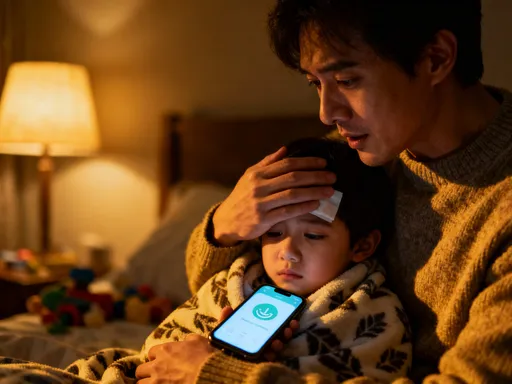
It was 1:47 a.m. when I found myself pacing the hallway, holding my six-year-old daughter who was burning up with fever. Her cheeks were flushed, her breathing uneven, and my mind was racing faster than my footsteps. Should I call the after-hours line? Drive to urgent care? Or wait until morning, risking things getting worse? I felt completely alone in that moment, despite being surrounded by family photos and the familiar hum of our home. The usual advice—“if it’s serious, go to the ER”—wasn’t helpful when I didn’t know if it *was* serious. That’s when I opened a health consultation app I’d downloaded months earlier and almost forgotten about.
I started typing, and within seconds, a kind, structured conversation began. The app didn’t panic. It asked calm, thoughtful questions: How high was the fever? How long had it lasted? Any vomiting? Rash? Had she taken anything? It felt like talking to a nurse who’d been with our family for years—one who remembered her last ear infection and knew she had a mild allergy to penicillin. Based on the answers, the app gave me clear next steps: monitor for dehydration, use a specific dose of acetaminophen, and watch for red-flag symptoms. It also suggested when to call a doctor and even helped me draft a message to our pediatrician.
That night, I didn’t need to rush to the ER. My daughter settled, her fever broke by morning, and we saw her doctor the next day with a clear summary in hand. But more than that—I felt seen. I felt supported. And for the first time, my phone wasn’t just a distraction or a chore machine. It had become a true health ally. That moment changed how I saw technology—not as something cold or impersonal, but as a quiet companion in the messy, emotional reality of caring for a family.
What Exactly Is a Health Consultation Platform? (And Why It’s Not Just Another App)
You’ve probably downloaded apps before—fitness trackers, meditation guides, even symptom checkers that left you more anxious than informed. So what makes a health consultation platform different? Think of it this way: most apps give you information. A real health consultation platform gives you conversation. It’s designed to listen, respond, and guide—not just dump data and disappear. These platforms are built with care, often combining artificial intelligence with access to real healthcare professionals, so you’re never truly alone in the process.
Imagine you’re feeling unusually tired for weeks. Instead of typing “tired all the time” into a search engine and spiraling into articles about rare diseases, you open a platform and start a chat. It might ask about your sleep, your diet, your stress levels, even your recent travel or medications. It doesn’t jump to conclusions. It gathers context, just like a good doctor would. And because it remembers past conversations (with your permission, of course), it can spot patterns—like how your energy drops every time you skip meals or after a string of late nights helping your teen study for exams.
Privacy is a top priority. These platforms follow strict medical data rules, meaning your conversations are encrypted and stored securely. They’re not selling your information or using it for ads. The goal isn’t to profit from your anxiety—it’s to support your well-being. And unlike a web search that treats everyone the same, these tools are designed to feel personal. They adapt to your language, your pace, even your emotional tone. If you sound overwhelmed, the responses become gentler, more structured. If you’re ready for action, it helps you plan next steps—like scheduling a blood test or preparing questions for your next appointment.
So no, this isn’t just another app. It’s more like having a health-savvy friend who’s available 24/7, knows your history, and never judges. And for busy moms, caregivers, or anyone juggling multiple roles, that kind of support can be life-changing.
How These Platforms Are Designed to Understand Real Life
What’s truly remarkable about today’s health consultation platforms isn’t just that they work—but that they *get* us. They’re built to understand the chaos and beauty of real life. Think about it: you’re not just a set of symptoms. You’re a mom of three, working part-time, managing a parent with arthritis, and trying to squeeze in a walk when the weather’s nice. A good platform recognizes that your health doesn’t exist in a vacuum. It’s shaped by your schedule, your emotions, your environment.
Behind the scenes, artificial intelligence learns from patterns—but not in a creepy way. It’s not watching you. It’s not tracking your every move. Instead, it gently notices trends you might miss. For example, if you’ve been logging trouble sleeping, the platform might gently ask, “Have you noticed this happens more on nights when you’ve had coffee after 3 p.m.?” Or if your stress levels seem high during certain weeks, it might suggest, “This looks like a tough time—would a five-minute breathing exercise help?” It’s not commanding you. It’s offering support, like a thoughtful nudge from a friend who knows your rhythms.
Take the case of Maria, a schoolteacher and single mom, who started using a platform to manage her anxiety. She didn’t want medication, but she needed tools. Every evening, she spent two minutes answering a few questions: How’s your mood? How’s your energy? Any moments of panic today? Over time, the platform noticed her anxiety spiked on Sundays—probably because of the Monday morning rush. It didn’t just point that out. It helped her create a Sunday night routine: a warm bath, a gratitude note, and a short meditation. Small changes, yes—but they made a big difference.
That’s the power of design that honors real life. These platforms don’t expect perfection. They meet you where you are. Whether you’re logging symptoms between soccer practices or checking in during your lunch break, they adapt to *your* world—not the other way around.
Turning Fear Into Clarity: A Tool for Emotional Resilience
We often think of health tech as something for physical symptoms—fevers, rashes, aches. But one of the most meaningful ways these platforms help is by supporting our emotional well-being. Let’s be honest: life is heavy sometimes. Between work, family, aging parents, and the constant buzz of news and notifications, it’s easy to feel worn down. And yet, many of us don’t reach out for help—because we don’t want to burden anyone, or we’re not sure if we’re “sick enough” to need therapy.
This is where a health consultation platform can make a quiet but powerful difference. It offers a safe, judgment-free space to check in with yourself. Some platforms let you talk or type your thoughts, and the AI responds with empathy and grounding questions. “That sounds really hard. What’s been helping you cope?” or “You’ve mentioned feeling isolated—would you like to explore some local support groups?” It’s not therapy, but it can be a bridge to it.
I remember a user named Linda, a widow in her early fifties, who started using a platform after losing her husband. She wasn’t ready to talk to a counselor, but she didn’t want to keep everything inside. Every few days, she’d record a short voice note—just talking about how she missed him, how quiet the house felt, how she kept setting the table for two out of habit. The platform didn’t fix her grief. But it helped her feel heard. It gently encouraged her to add small moments of comfort: lighting a candle, calling a friend, walking in the park. Over time, those moments added up. And when she finally felt ready, the platform helped her find a grief support group nearby.
This is emotional resilience in action—not by avoiding pain, but by creating space to process it. These tools don’t erase our struggles, but they help us face them with more clarity and less fear. And for so many of us, that’s exactly what we need: not a cure, but a companion on the journey.
Raising Health-Smart Kids in a Digital World
As parents, we want our kids to grow up feeling confident, capable, and in tune with their bodies and emotions. But teaching self-care isn’t always easy—especially when they’re teens who’d rather scroll than talk. That’s why many families are turning to health consultation platforms as a bridge. These tools aren’t about replacing parent-child conversations. They’re about enriching them.
Picture this: your teenage daughter has been moody and tired for weeks. You’re worried, but every time you ask, she says, “I’m fine.” Instead of pushing, you suggest she try a private check-in on a family-approved platform. She logs in, answers a few questions about sleep, stress, and mood. The platform notices a pattern—low energy, trouble focusing, irritability—and gently suggests, “These could be signs of low iron or stress. Want to prepare a summary to share with your doctor?”
Now, instead of a tense “Why won’t you talk to me?” moment, you have something real to discuss. She shows you the summary. You read it together. And when she sees a doctor, she’s not just saying “I feel tired”—she’s sharing data, patterns, and her own observations. That changes the conversation. It builds her confidence. It teaches her that paying attention to her body isn’t dramatic—it’s smart.
And the best part? She’s learning these skills in a space that feels safe and private. She’s not broadcasting her struggles on social media. She’s not Googling symptoms and scaring herself. She’s using a trusted tool to understand herself better. That’s digital wellness at its best—empowering, not overwhelming. And as a parent, knowing she has that resource, even when I’m not in the room, gives me real peace of mind.
Building Innovation Skills Through Everyday Tech Use
Here’s something I didn’t expect: using a health consultation platform didn’t just help me care for my family—it helped me think differently. It taught me to ask better questions, to notice patterns, to trust my observations. In other words, it helped me become more innovative in my everyday life. And that’s a skill that goes far beyond health.
Innovation isn’t just for tech geniuses or startup founders. It’s about solving problems creatively, adapting to change, and learning from experience. When you use a platform that asks, “How has this symptom changed over time?” or “What seems to make it better or worse?”, you’re practicing real problem-solving. You’re gathering data, testing ideas, and making decisions—just like a scientist, but in your own life.
Think about it: when your child is struggling with homework, you don’t just give them the answer. You help them break it down, try different approaches, learn from mistakes. That’s the same mindset these platforms encourage. They don’t hand you solutions. They guide you to discover them. And that builds confidence—not just in using tech, but in trusting yourself.
For teens and young adults, this is especially powerful. A student using a platform to track focus and stress during exams isn’t just managing health—they’re learning time management, self-awareness, and resilience. These are the skills that lead to success in school, work, and relationships. And when we model this behavior as parents—showing our kids that it’s okay to seek help, to use tools wisely, to reflect and grow—we’re raising a generation that’s not just tech-literate, but emotionally intelligent and solution-oriented.
The Quiet Revolution: Small Tools, Big Changes in How We Live
We often imagine innovation as something loud and flashy—a new phone, a self-driving car, a robot in the kitchen. But the real revolution is quieter. It’s in the small, meaningful ways technology helps us feel more in control, more connected, and more at peace. A late-night chat about a child’s fever. A gentle reminder to breathe when anxiety spikes. A teen learning to advocate for their own health. These moments may seem small, but together, they’re transforming how we live.
What makes this shift so powerful is that it’s not about replacing human connection—it’s about deepening it. These platforms don’t take the place of doctors, therapists, or loving conversations around the kitchen table. They prepare us for those moments. They help us show up with clarity, confidence, and care. They turn uncertainty into understanding, fear into action, and isolation into support.
And for women—especially mothers, caregivers, and those holding families together—this kind of support is invaluable. We’re often the first to notice when something’s off, the ones who carry the mental load of everyone’s well-being. Having a tool that shares that load, even a little, is not just convenient. It’s empowering.
So yes, the future of health is here. But it’s not cold or robotic. It’s warm, personal, and deeply human. It’s about being seen, heard, and supported—exactly when you need it. And if that means your next doctor is a chatbot that knows you better than you do, maybe that’s not so strange after all. Maybe it’s exactly what we’ve been waiting for.