Beyond Payments: How Digital Wallets Quietly Simplified My Whole Day
Life moves fast — between remembering passwords, tracking receipts, juggling bills, and chasing kids or deadlines, it’s easy to feel overwhelmed. But what if a tiny tech habit could quietly take pressure off your mind? I didn’t expect much when I fully embraced digital payment tools — but they didn’t just speed up checkout lines. They reshaped how I manage time, money, and mental space. This is the real story of how one small change brought real calm. It wasn’t about chasing trends; it was about finally giving myself permission to let go of the little things so I could hold on tighter to what matters.
The Morning Rush That Used to Break Me
There was a time when my mornings felt like a relay race I never signed up for. One kid needed lunch money, the other forgot their field trip form, and I was already late — but still patting my pockets, digging through bags, muttering, "Where’s my wallet?" That moment — the frantic search, the rising panic — used to set the tone for my entire day. I’d walk into work frazzled, my mind still back at home, replaying every small thing I might have forgotten. And it wasn’t just the wallet. It was the $20 I gave my son for school bake sales that I later couldn’t track, the coffee receipt I needed for expense reports but lost in my coat pocket, the late fee because I forgot to mail a check on time.
Then I started using a digital wallet. Not just for fun or convenience — out of sheer survival. The first real shift happened when I stopped carrying cash. I set up automatic transfers for weekly allowances, paid school fees online the night before, and used my phone to cover breakfast at the café near my office. No more digging. No more "Wait, did I bring enough?" That tiny space between decision and action — the tap of a phone instead of the fumble for bills — started to feel like breathing room. I realized I wasn’t just saving seconds; I was saving mental energy. And that energy? I started using it to actually enjoy my morning coffee instead of gulping it down while stressed.
One Tuesday, my daughter asked, "Mom, can I get a smoothie after dance class?" In the past, I would’ve said no — not because I didn’t want to, but because I didn’t have cash, and pulling out my card felt like a production. This time, I opened my phone, authorized a small spend limit on her linked account, and said yes. Her face lit up. That moment wasn’t about the smoothie. It was about freedom — mine and hers. I wasn’t held hostage by the physical. I could say yes in real time, without hassle. And that changed how I showed up — not just as a mom, but as a person who could finally move through her day with a little more grace.
From Wallet to World: One Tap, Endless Relief
I’ll never forget the first time I walked into a crowded grocery store with a baby on my hip, a tote in one hand, and my phone in the other — and paid without putting anything down. No wallet. No cards. Just a tap. And in that moment, something shifted. It wasn’t just convenient; it felt like a quiet victory. Because motherhood isn’t about doing more — it’s about doing everything with less space, less time, less margin for error. And this small tech habit gave me back a little of that margin.
Digital wallets became my silent partners in everyday life. When I met friends for dinner and someone said, "Let’s split the bill," I didn’t groan inwardly like I used to. I just opened the payment app, sent a quick request, and it was done. No awkward math, no forgotten IOUs, no "I’ll pay you back next week." The ease wasn’t just in the transaction — it was in the trust it built. My friendships felt lighter, less burdened by small financial friction.
And it wasn’t just social moments. Think about parking meters, farmers’ market vendors, even school fundraisers — so many places now accept mobile payments. I used to avoid them if I didn’t have cash. Now, I don’t think twice. That freedom to participate without preparation? It’s more powerful than it sounds. It means I say yes more often — to experiences, to spontaneity, to being present. Because I’m not weighed down by the logistics. The technology doesn’t call attention to itself. It just works. And when tech disappears like that, life gets louder in the best way.
What surprised me most was how much safer I began to feel. I used to worry about losing my wallet — not just the money, but the IDs, the credit cards, the headache of canceling everything. Now, if I misplace my phone, I can lock it remotely, suspend my digital cards, and restore access in minutes. My bank’s app sends instant alerts for every transaction. I know within seconds if something’s off. That sense of control — of knowing I’m protected — has quieted a background hum of anxiety I didn’t even realize I was carrying.
Raising Kids in a Cashless Home: Teaching Money Smarts Without the Paper Trail
When I first went digital, I worried — how do I teach my kids about money if they never see bills or coins change hands? But then I realized: this isn’t the absence of money lessons. It’s a new kind of financial parenting. One that’s more visible, more immediate, and honestly, more effective.
We started with chore-based allowances. Instead of stuffing cash into envelopes that got lost or spent on candy within hours, I set up a family finance app where each kid gets paid automatically every Friday for completed tasks. They can see their balance grow in real time. My son saved for three weeks to buy a new soccer ball. He checked his app every night, watching the number climb. When he finally made the purchase — online, with my approval — his pride was palpable. It wasn’t just about the ball. It was about patience, planning, and ownership. The digital trail made the invisible visible.
We also created shared savings goals — for a family movie night, a weekend trip to the lake, even a new board game. Every time someone contributed, the app showed progress with a little animation. It turned saving into something joyful, something we celebrated together. My daughter started asking, "Can I skip dessert today so I can save more?" That kind of awareness — that kind of choice — didn’t come from my lectures. It came from seeing her money move, grow, and do something meaningful.
And when mistakes happened — like when my son accidentally bought a $50 app instead of the $5 one — we used it as a teaching moment. We reviewed the transaction together, talked about double-checking purchases, and set up spending limits. The app even lets me approve or decline requests in real time. It’s not about control; it’s about guidance. I’m not hovering — I’m helping them build confidence. And that’s the real win: they’re learning to manage money in the world they’ll grow up in, not the one I grew up in.
Budgeting Without the Boredom: When Your App Knows You Better
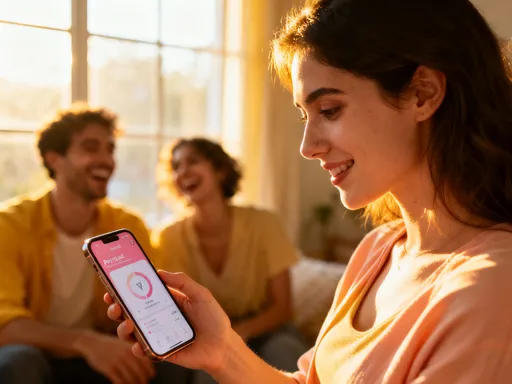
I used to dread budgeting. Spreadsheets, manual entry, guilt over overspending — it felt like a chore that punished me for living. I’d start strong in January, lose steam by March, and give up completely by May. But when I switched to a digital wallet linked to a budgeting app, something changed. The app started tracking my spending automatically — no more typing in coffee runs or gas fill-ups. Every transaction was categorized: groceries, dining out, household. And slowly, a picture of my real habits emerged — not the idealized version I told myself, but the actual truth.
I discovered I was spending $180 a month on coffee — not because I’m extravagant, but because I was grabbing a latte every morning without thinking. The app didn’t shame me. It just showed me. And that awareness was enough to spark change. I started making coffee at home twice a week. Small shift, big impact. I redirected that $80 saved toward a family vacation fund. The app even sent me a little celebration note when we hit the halfway point. It felt like having a kind, non-judgmental coach in my pocket.
Another month, I noticed a spike in online shopping. I was stressed, tired, and clicking "buy now" on things I didn’t need. The app flagged the trend with a gentle nudge: "You’ve spent 40% more on clothing this month." That simple message snapped me back to reality. I paused. I reflected. I stepped away from the screen. That’s the power of data — not as a report card, but as a mirror.
Now, budgeting isn’t something I do once a month. It’s something that happens in the background, quietly guiding me. I set monthly goals — for savings, for dining, for gifts — and the app helps me stay on track with visual cues and reminders. When I’m close to my limit, it doesn’t block me; it just asks, "Are you sure?" That pause — that moment of choice — is where real control lives. And the best part? I no longer feel guilty about treating myself. Because now, I know I can afford it. Budgeting isn’t about restriction. It’s about freedom — the freedom to spend with intention, not impulse.
Calm in Crisis: What Happens When Your Phone *Is* Your Safety Net
Last winter, I left my phone in a rideshare. Panic hit instantly. But then I remembered — I had already set up remote lock and wipe through my bank’s security features. I opened another device, logged in, and with a few taps, my payment methods were frozen. Within minutes, I received a message: "Your cards are secure. No unauthorized transactions detected." I exhaled for the first time in ten minutes.
A year earlier, losing my physical wallet meant hours on the phone — canceling cards, reporting IDs, worrying about identity theft. This time? It took 15 minutes. I reactivated everything on my replacement phone the next day. No lost money. No stress. Just a quick recovery. That experience taught me something important: digital wallets aren’t just convenient — they’re resilient.
The security features that once felt like tech jargon now feel like peace of mind. Biometric login — fingerprint or face scan — means no one can access my payments without me. Every transaction requires verification. And if something looks off, I can dispute it instantly through the app. No forms. No waiting. Just action.
But the real safety isn’t just in the features — it’s in the mindset shift. I no longer live in fear of loss. I know my financial life isn’t tied to a piece of leather in my bag. It’s protected, backed up, and always within reach. That confidence has spilled over into other areas of my life. I take more risks — not with money, but with joy. I say yes to last-minute plans. I travel lighter. I breathe easier. Because I know I’m covered — not by luck, but by smart design.
The Ripple Effect: How Paying Differently Changed How I Plan and Breathe
You’d think the biggest benefit of digital wallets would be time saved at checkout. But the real magic is in the ripple effect. Those extra minutes here and there — not searching, not counting, not stressing — they add up. And what do I do with that time? I breathe. I listen. I look my kids in the eye instead of staring at my wallet.
I started noticing things I’d missed before. The way my daughter pauses before spending her digital allowance, weighing her choices. The way my husband and I now talk about money calmly, because we both see the same data, in real time. No more "I didn’t know we were over budget." No more surprises. Just clarity.
That clarity has changed how I plan. Family vacations? I start saving months ahead, with automatic transfers that happen without me thinking. Birthday gifts? I track ideas in my notes app and buy them early, avoiding last-minute panic. Even grocery shopping is smoother — I use a list app that syncs with my digital receipt history, so I know exactly what we’re running low on.
But the deepest change is internal. I feel lighter. Less burdened by the small stuff. My mind isn’t cluttered with "Did I pay that bill?" or "Where did that $20 go?" That mental space? I’ve filled it with things that matter — reading before bed, planning weekend adventures, just sitting with my family without distraction. I sleep better. I’m more patient. I’m more present. And that, more than any tech feature, is the real upgrade.
Not Just Faster — More Human: Reclaiming Time for What Actually Matters
At the end of the day, I don’t care that my phone can pay in 0.3 seconds. What I care about is that I got to see my son’s soccer goal without missing it because I was fumbling for cash. I care that I had the mental space to help my daughter with her homework instead of stressing about overdue bills. I care that I said "yes" to a spontaneous coffee with a friend who needed to talk — because I knew I could pay and go, no hassle.
The best technology doesn’t make us more efficient robots. It helps us be more human. It gets out of the way so we can connect, create, and care. Digital wallets didn’t change my life because they’re flashy. They changed my life because they’re quiet — quietly organizing, quietly protecting, quietly giving me back the most precious thing I have: time.
I’m not saying this is a magic fix for everything. Life is still messy. Kids still spill. Plans still fall through. But now, I have a little more room to handle it. A little more calm. A little more grace. And that makes all the difference.
So I’ll ask you — what small thing in your day feels heavy? What tiny friction could be eased with a simple shift? Maybe it’s not digital wallets. Maybe it’s a different app, a new routine, a smarter tool. But whatever it is, don’t underestimate the power of letting go of the little things. Because when you do, you make space for the big things — the laughter, the love, the moments that actually matter. And isn’t that what we’re all trying to protect?