What If Your Phone Could Turn Every Good Deed Into a Meaningful Story?
Have you ever volunteered and wished you could easily remember the impact you made? Not just the hours logged, but the smiles shared, the progress seen, the small moments that meant something? Today, technology can do more than track goals—it can help you capture the heart of your efforts. Imagine reliving those quiet victories anytime, or sharing them to inspire others. This isn’t about data—it’s about meaning. And it’s closer than you think. We don’t forget volunteering because it didn’t matter. We forget because we never learned how to hold on to what mattered most. But what if your phone could help you keep those moments alive—not as statistics, but as stories that stay with you?
The Forgotten Side of Giving: Why Good Deeds Fade from Memory
Let’s be honest—how many times have you left a volunteer event feeling full of purpose, only to realize a week later that the details have already started to blur? You remember showing up, maybe what you wore, but not the name of the child who hugged you after the reading session. You don’t recall the exact words of the thank-you note from the shelter staff. The garden you helped plant looked incredible on that sunny Saturday, but now, months later, was it the tomatoes that sprouted first or the herbs?
This isn’t a sign of indifference. It’s human nature. Our brains aren’t built to archive emotional moments unless we actively preserve them. And yet, these are the very moments that give our actions soul. Think about the elderly neighbor who finally smiled after weeks of silence, or the teenager who said, "I didn’t think anyone would show up." Those aren’t just memories—they’re proof that you made a difference.
But here’s the quiet truth: when we don’t capture those moments, they fade. And when they fade, so does our sense of personal impact. Over time, even the most dedicated volunteers can start to wonder, "Did I really help?" It’s not that we stop caring—we just lose the evidence of care. That emotional distance can quietly erode motivation, making it harder to return, to stay involved, to believe in the ripple we’re creating.
And this isn’t just about personal reflection. For many of us, these acts of service are tied to deeper values—raising children who care, being part of a community that lifts each other, living a life that feels meaningful. When the memories slip away, so does the emotional fuel that keeps us going. We need a way to remember not just that we showed up, but why it mattered when we did.
When Tracking Isn’t Enough: The Limits of Checklists and Hour Logs
You’ve probably used a volunteer app or filled out a form that asked for your hours. Maybe you’ve even logged your service for school, work, or a community group. And while those tools are helpful for organization, let’s admit it—they don’t tell the real story. Did you spend two hours at the food pantry? Great. But did the app record the conversation you had with Maria, who told you this was the first time in months she didn’t have to choose between medicine and groceries? Did it capture the moment when the teens in the tutoring program finally grasped the math concept they’d been struggling with?
Numbers can’t measure warmth. They can’t hold the sound of laughter in a room full of seniors playing bingo, or the quiet pride in a young artist’s voice when they showed you their painting. When we reduce volunteering to checkmarks and spreadsheets, we risk turning something deeply human into a transaction. And over time, that can make us feel disconnected—even when we’re doing meaningful work.
I remember talking to a friend who had volunteered every weekend for six months at a youth center. She was preparing her resume and realized she couldn’t remember specific moments to talk about. "I know I was there," she said, "but I can’t describe what I actually did that mattered." That gap—between presence and memory—is more common than we think. We show up with our hands and hearts, but we leave without saving the emotional receipts.
And here’s the thing: when we can’t reflect on our growth, it’s harder to feel it. We miss the subtle shifts—how we’ve become more patient, more observant, more confident in our ability to help. Without those reflections, volunteering can start to feel like just another item on the to-do list, rather than a journey of personal and emotional growth. We need tools that go beyond tracking. We need ones that help us feel the value of what we’ve done.
Enter Smart Moment Capture: How Technology Preserves What Matters
What if your phone could be more than a distraction—what if it could be a quiet witness to your kindness? That’s the idea behind smart moment capture: using the technology we already have to preserve the emotional core of our service. It’s not about posting online or seeking attention. It’s about creating a personal archive of meaning—one photo, voice note, or short reflection at a time.
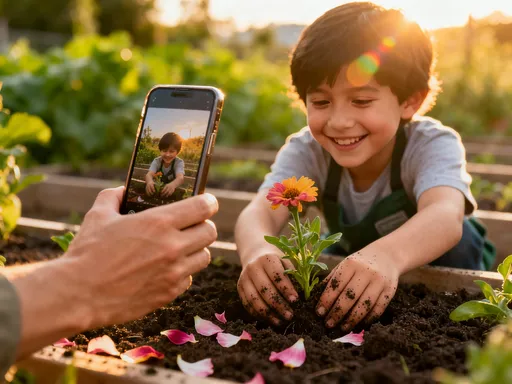
Think about it. Most of us carry powerful tools in our pockets. Your smartphone can take a photo of the mural your team painted. It can record a 20-second voice note while you’re walking to the car: "Today, James read his first full paragraph aloud. His mom cried. So did I." You can snap a picture of the handwritten thank-you card from the community center and save it in a private album labeled "Moments That Mattered." No special app. No complicated setup. Just intention.
And modern phones make it even easier. You can set gentle reminders—like a weekly alert that says, "Did you have a meaningful moment this week?" Or use photo auto-backup to create a timeline of your service journey. Some people use note-taking apps to jot down one sentence after each event: "The soup kitchen regulars started calling me by name today." These aren’t grand gestures. They’re small, consistent acts of remembrance.
The beauty is in the simplicity. You don’t need to write an essay or film a documentary. A single image with a caption like "First time the garden produced enough lettuce to share" can unlock a flood of emotions months later. And because these moments are saved privately, there’s no pressure to perform. This isn’t about social media. It’s about self-awareness, gratitude, and emotional continuity. Your phone becomes a quiet partner in your journey—not just tracking time, but honoring impact.
Turning Moments into Motivation: The Emotional Feedback Loop
Life gets busy. We all have weeks when we’re tired, overwhelmed, or unsure if our efforts are making a difference. That’s when your saved moments become more than memories—they become fuel. Imagine opening your phone during a tough day and seeing a photo of the kids at the after-school program holding up their handmade cards. Or hearing that voice note from the shelter volunteer coordinator: "Because of you, we were able to serve 50 more meals this week."
These aren’t just records—they’re emotional anchors. They remind you that your presence matters, even when you can’t see the results right away. And that kind of reassurance can be incredibly powerful. I’ve had readers tell me they replay a particular voice memo when they’re feeling low: "I don’t know if I’ll keep volunteering," they’ll say, "but then I listen to that moment when a little girl said, ‘You come back next time, okay?’ and I know I will."
This is what we mean by the emotional feedback loop. When you capture a moment, you create a positive memory. When you revisit it, that memory reignites your sense of purpose. And when your purpose is renewed, you’re more likely to keep showing up. It’s a cycle that builds resilience over time. You’re not just doing good—you’re becoming someone who believes in the power of doing good, even when it’s hard.
And it doesn’t have to be big. A single saved moment can shift your entire mindset. One woman told me she keeps a photo of a handwritten note from a nursing home resident: "Thank you for reading to me. I felt seen today." She looks at it before every shift at the hospital where she volunteers. "It reminds me," she said, "that presence is a gift. And I can give it, even when I’m tired."
Sharing with Purpose: Inspiring Others Without Seeking Praise
Now, let’s talk about sharing—but not the kind you might be thinking of. This isn’t about posting on social media for likes or validation. It’s about using your captured moments to invite others into the world of service, in quiet, meaningful ways. Think of it as storytelling with heart, not performance.
Imagine showing your daughter a photo from the beach cleanup and saying, "Look what we found—and look how clean it is now." Or playing a short voice recording for your sister: "This is what the choir sounded like after six weeks of practice. Can you believe they were too shy to sing at first?" These aren’t boasts. They’re invitations. They help the people you love understand why you care, and sometimes, they inspire them to care too.
I’ve heard from moms who use their saved moments to talk to their kids about empathy. One created a simple slideshow of her volunteer work and showed it during a family dinner. "I didn’t want it to feel like a lecture," she said. "I just wanted them to see that helping isn’t always big or dramatic. Sometimes it’s just showing up with sandwiches and listening."
And sometimes, sharing leads to action. A woman shared a photo of the community garden with her book club. A month later, half the group joined her for a planting day. "They didn’t come because I asked," she said. "They came because they could see the joy in it."
The key is authenticity. When we share from a place of truth—not to impress, but to connect—we give others permission to care. We show them that service isn’t about being perfect. It’s about being present. And when we do that, our small moments become ripples.
Building a Personal Legacy of Care: Growth You Can Feel
Here’s something beautiful that happens when you start capturing your moments: over time, you begin to see your own growth. Not just in what you’ve done, but in who you’ve become. You might notice that the nervous volunteer from six months ago now speaks confidently at team meetings. Or that you’ve learned to listen more, to notice small needs, to find joy in simple acts of service.
These captured moments become a mirror. They show you patterns you might not have seen otherwise. Like how you keep returning to the same shelter, not because you have to, but because you’ve built real connections. Or how your confidence has grown with each event you’ve organized. One woman told me she looked back at her first voice note—"I hope I don’t say the wrong thing"—and compared it to her most recent one: "I led the orientation today. I think I helped the new volunteers feel welcome."
That’s transformation. And it’s not just about skills. It’s about emotional well-being. Studies show that reflecting on acts of kindness boosts gratitude, reduces stress, and increases feelings of connection. When you can see your impact, you feel more fulfilled. You start to believe in your ability to make a difference—not someday, not somewhere else, but right here, right now.
And over the years, this collection becomes something even deeper: a legacy. Not in the grand sense, but in the quiet, personal way. It’s proof that you lived with intention. That you showed up. That you cared. And when life feels uncertain, that archive—those photos, voice notes, and reflections—becomes a source of strength. It reminds you of who you are and what you value most.
Start Small, Start Today: Making It a Natural Habit
If all of this feels a little overwhelming, here’s the good news: you don’t have to do it all at once. You don’t need a perfect system. You don’t even need to do it every time. The goal isn’t perfection—it’s consistency. And the best way to start is by making it simple, personal, and sustainable.
Try this: after your next volunteer event, take one photo. Just one. It doesn’t have to be artistic. It could be the sign outside the building, the snack table, a pair of hands planting a flower. Then, add one sentence in your notes app: "Today, I helped pack 100 meal kits. One woman said, ‘This means I can take my medicine with food tonight.’" That’s it. No extra steps. No pressure.
Or set a weekly reminder on your phone: "Pause. Reflect. What moment mattered this week?" Take 60 seconds to record a voice memo or write a line in your journal. You can save it in a folder labeled "Kindness Moments" or even use a private photo album. The method doesn’t matter—what matters is that you’re creating space to remember.
Some people pair it with a habit they already have. After volunteering, they brew a cup of tea and spend five minutes jotting down a highlight. Others save one image each month and add it to a digital scrapbook. The key is to make it feel natural, not like another chore.
And remember—this isn’t about capturing every moment. It’s about saving the ones that touch your heart. Over time, those small acts of remembrance will add up. You’ll have a collection of stories that remind you of your strength, your compassion, and your impact. And when you need it most—on a hard day, during a quiet moment, or when you’re wondering if it’s worth it—you’ll have proof that it is.